


MOST POPULAR ARTICLES
- Sep 05, 2025Top 10 Mast Climbing Work Platform Maintenance HacksActionable, decision-focused maintenance guide delivering top 10 hacks for Mast Climbing Work Platform reliability, compliance and cost control, with technical guidance, standards references and a real-world case that highlights the benefits of proactive care.
- Sep 04, 2025How to install a suspended platform: 7-step safety checklistA practical, industry-focused guide that explains how to install a suspended platform with a 7-step safety checklist, standards references, procurement considerations, integration of accessories like
- Sep 03, 2025Construction hoist cost breakdown: save 20% on projects?A marketing and technical guide for project decision makers and procurement teams detailing the Construction hoist cost breakdown, savings tactics, standards, and product fit including Suspended Platforms.
Construction hoists are essential vertical transportation equipment in modern construction. Their stable and efficient operation relies on the precise coordination and collaboration of their various components. Their scientific and rational structural design ensures safety while meeting the demands of transporting heavy materials and personnel.
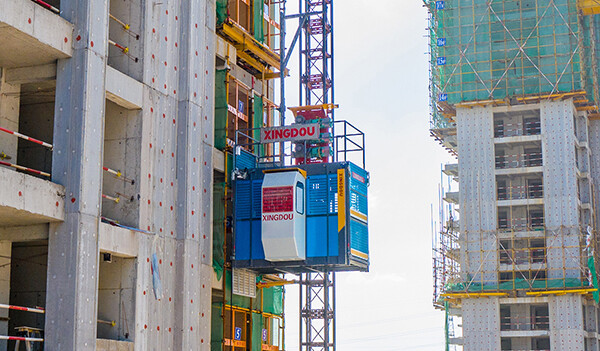
Main Steel Structure: A Stable Support Frame
The steel structure of a construction hoist is the backbone of the equipment and primarily consists of a guide rail frame and a cage.
The guide rail frame, constructed from standard sections connected by high-strength bolts, forms the vertical track along which the hoist operates. Its strength and verticality directly determine the smooth operation of the equipment.
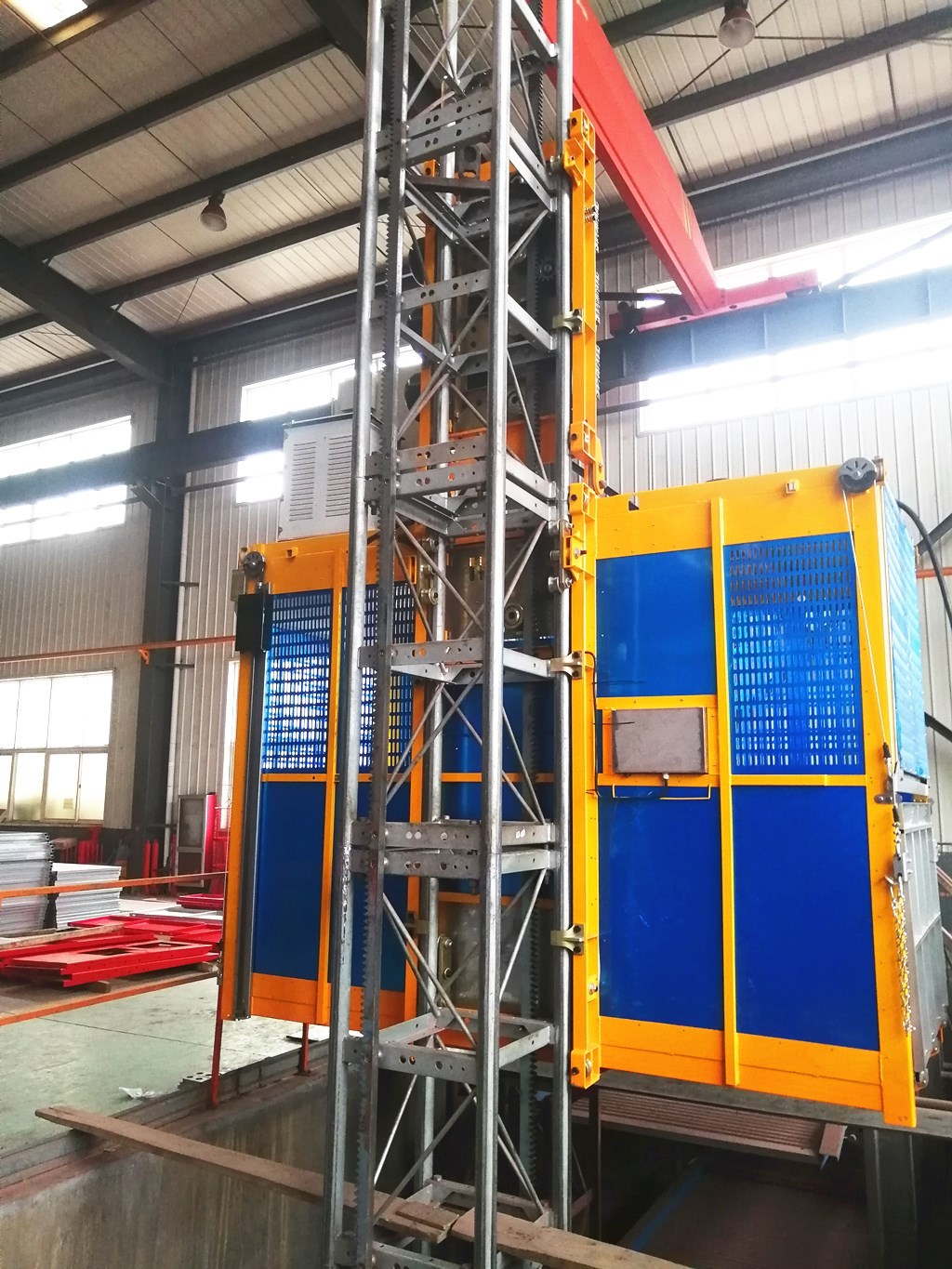
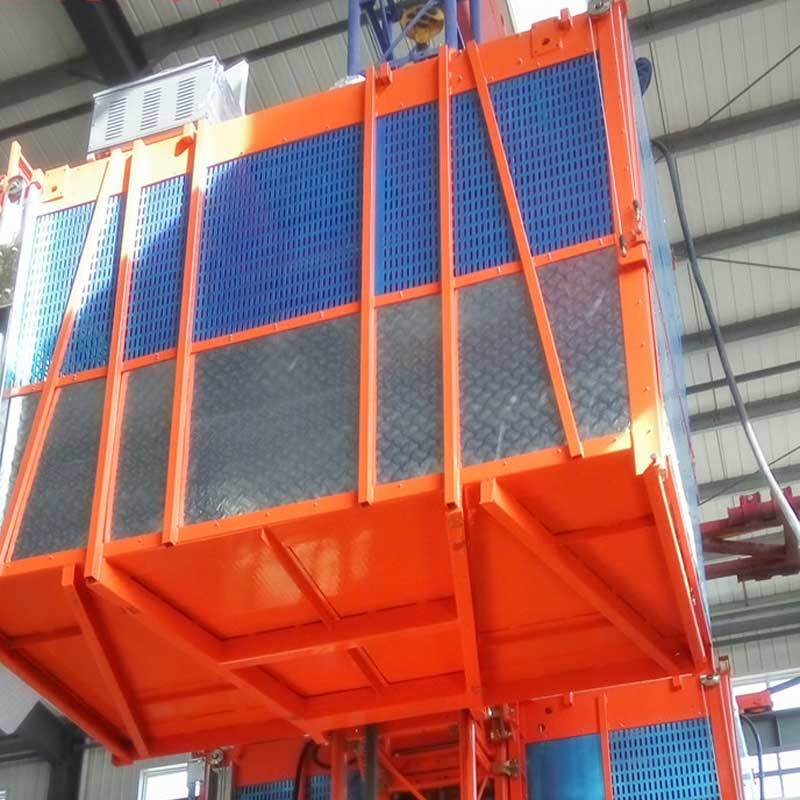
The cage, the box-like structure that carries materials or personnel, is constructed of steel sections and mesh panels, combining strength and lightness.
Drive System: A Powerful Power Core
The drive system is the "heart" of the hoist and primarily consists of a motor and a reducer.
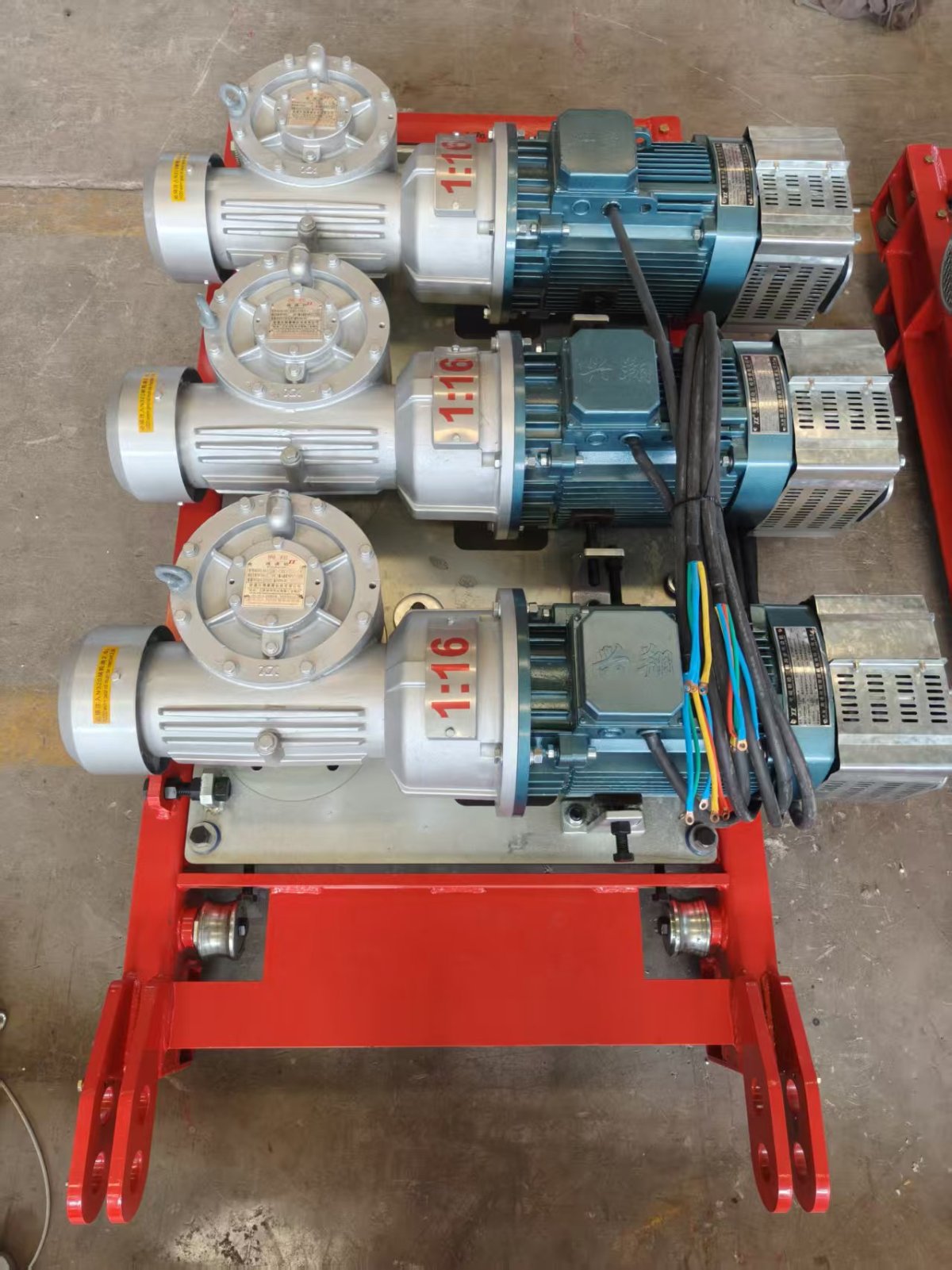
The motor provides the raw power, which is transmitted to the reducer via a coupling.
The reducer reduces the speed and increases the torque to ensure sufficient lifting force for the cage.
Safety Devices: Indispensable Protective Barriers
Safety is the primary consideration for construction hoists. Safety devices primarily include a safety device for preventing the cage from falling due to excessive speed, an electrical safety switch, and a buffer.
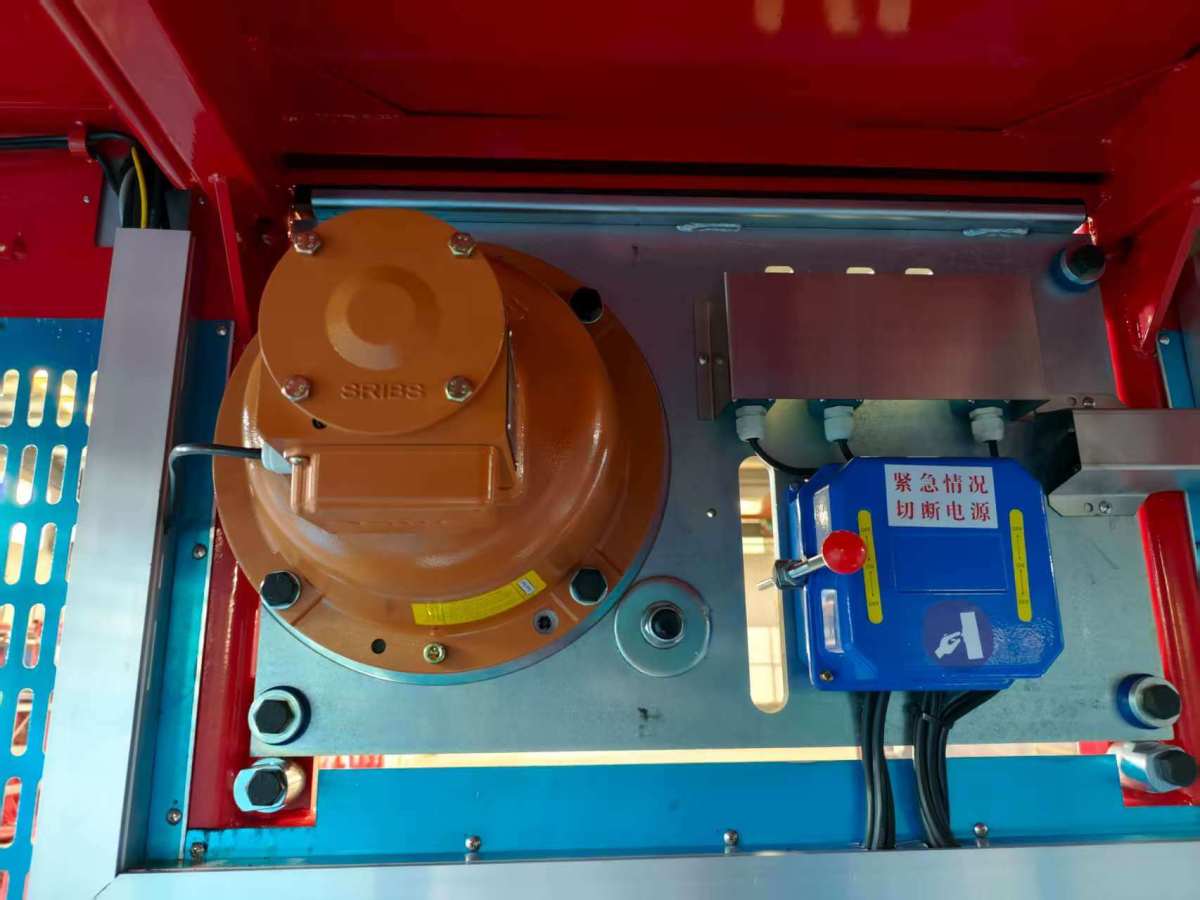
The safety device is the last line of defense, instantly stopping the cage if it falls due to excessive speed.
Various electrical safety switches (such as upper and lower limit switches and door limit switches) ensure safe operation.
Buffers are installed at the bottom of the guide rail frame to mitigate the impact energy of the cage accidentally overloading and falling.
Attachment System: Stable Intermediate Support
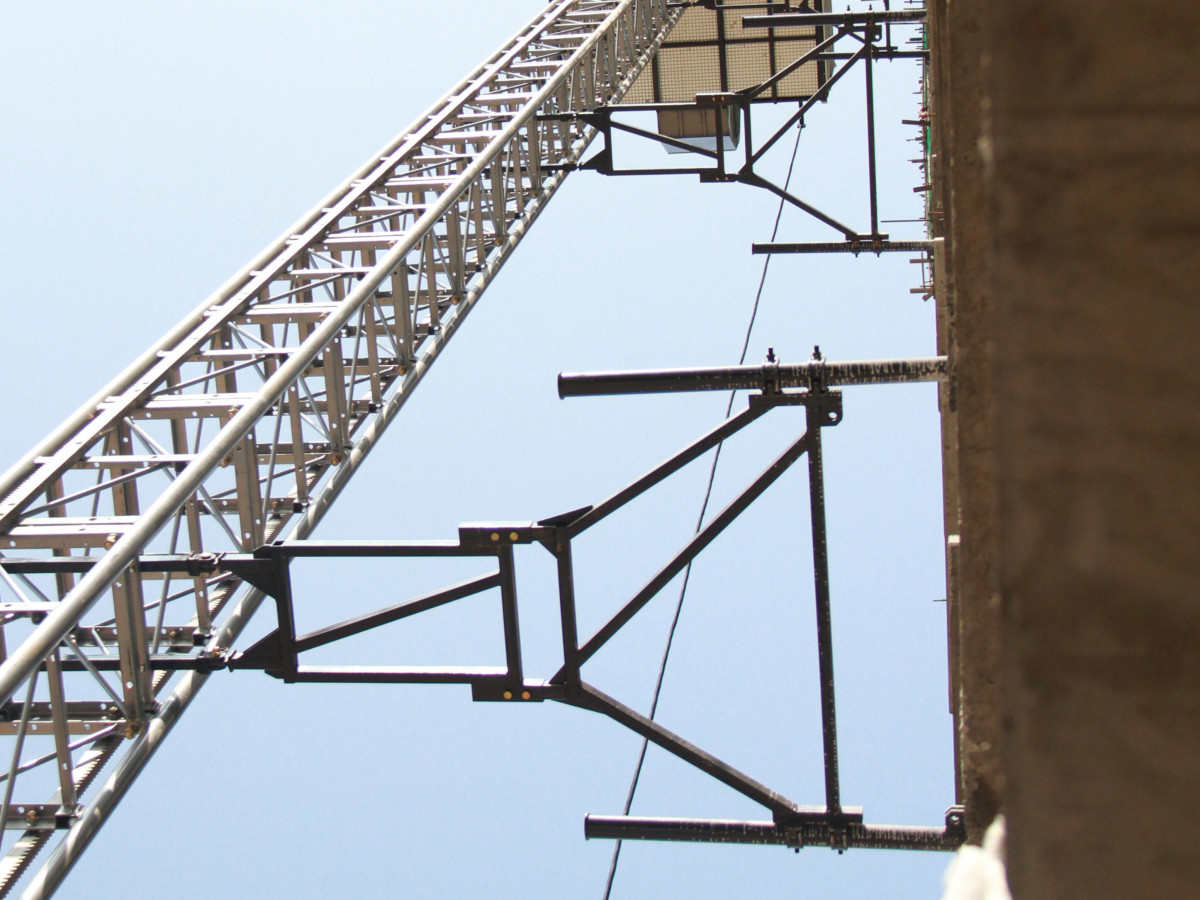
As building heights increase, elevators require a rigid connection to the building structure through attachment devices. The attachment frame transfers the load from the guide rail frame to the building, effectively reducing bending and vibration of the guide rail frame and is crucial for ensuring stable elevator operation during high-rise construction.
Electrical Control System: An Intelligent Command Center
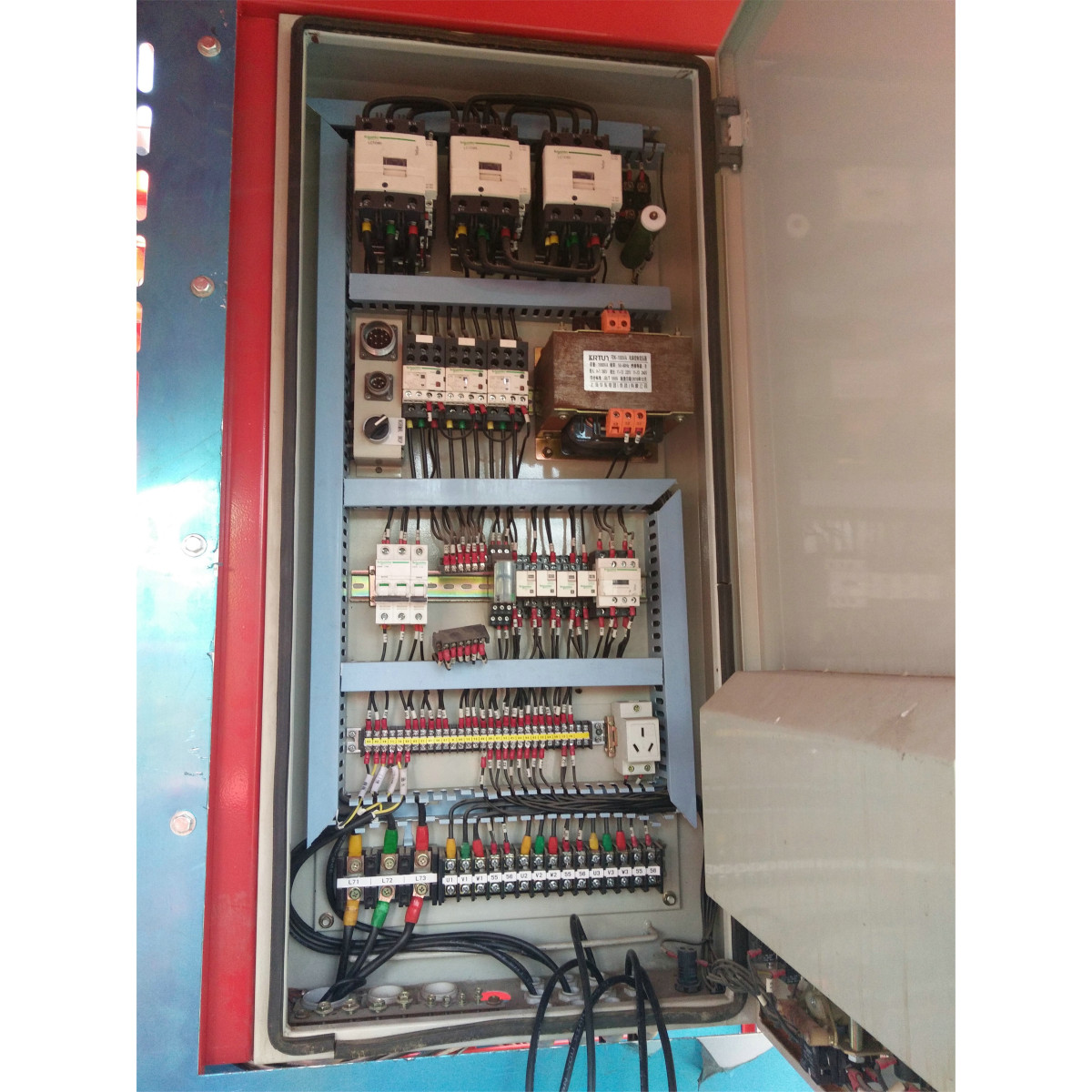
The electrical control system is like the "brain" of the elevator, consisting of a control cabinet, an operating console, and sensor components. It is responsible for receiving commands, monitoring operating status, processing safety signals, and precisely controlling the cage's start and stop, speed regulation, and leveling, ensuring convenient and accurate elevator operation.
In summary, a construction hoist is a complex and highly efficient integrated system consisting of a steel structure, drive system, safety devices, attachment system, and electrical control system. Each component has a unique and critical mission, and their coordinated operation ensures that the construction hoist can safely, reliably, and efficiently complete vertical transportation tasks in the harsh construction site environment.


Online Consultation