


MOST POPULAR ARTICLES
- Sep 05, 2025Top 10 Mast Climbing Work Platform Maintenance HacksActionable, decision-focused maintenance guide delivering top 10 hacks for Mast Climbing Work Platform reliability, compliance and cost control, with technical guidance, standards references and a real-world case that highlights the benefits of proactive care.
- Sep 04, 2025How to install a suspended platform: 7-step safety checklistA practical, industry-focused guide that explains how to install a suspended platform with a 7-step safety checklist, standards references, procurement considerations, integration of accessories like
- Sep 03, 2025Construction hoist cost breakdown: save 20% on projects?A marketing and technical guide for project decision makers and procurement teams detailing the Construction hoist cost breakdown, savings tactics, standards, and product fit including Suspended Platforms.
Introduction: why the Construction hoist cost breakdown matters
The Construction hoist cost breakdown helps procurement teams and project leaders identify cost drivers and optimize capital allocation. A Construction hoist is not only the machine at site; it influences schedule, labor hours, risk exposure, and compliance costs. Decision makers must treat the Construction hoist as a system: equipment, installation, operation, maintenance, and removal. Early decisions about hoist type, capacity, and supplier warranties determine long term costs. This guide clarifies the typical cost buckets for a Construction hoist and offers actionable levers to save up to 20% on projects through smarter specifications, flexible contracts, and efficient operations. We also include product integration examples such as Suspended Platforms to show how complementary equipment fits into the overall vertical access and material handling strategy.
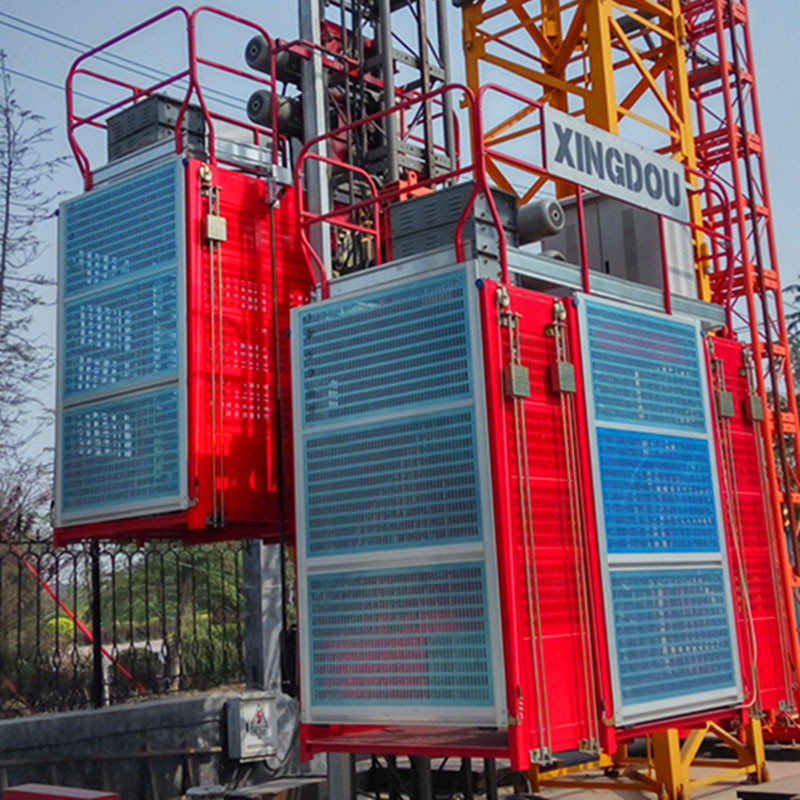
uction hoist includes
A Construction hoist commonly refers to a temporary or permanent vertical transportation system used on construction and industrial sites. The Construction hoist typically consists of cages or platforms, mast sections or guides, drive units, safety systems, electrical controls, and accessories. Understanding the Construction hoist components helps teams separate one time capital expenditures from ongoing operational costs. Core elements include the hoist body, motor and drive, safety locks, steel wire ropes, control panels, and installation anchors. A full cost analysis breaks these down into procurement, installation, commissioning, training, maintenance, spare parts, insurance, and decommissioning. For projects that also need façade access and finishing work, integrating suspended equipment such as the Suspended Platforms range (models LTD6.3, LTD8.0, LTD10, LSG30, LDF30) can reduce duplicated setup costs and improve scheduling flexibility.
Typical cost categories in a Construction hoist budget
Breaking costs into categories allows targeted savings. A typical Construction hoist budget includes: equipment purchase or rental, foundation and mast installation, electrical and power distribution, operator training, ongoing maintenance and spares, site insurance, inspections and certification, and dismantling. Each category has levers. For example, rental versus purchase decisions directly affect capital expenditure and working capital. A new Construction hoist purchase yields lower lifetime unit costs for long programs, while rental can be optimal for short projects or fluctuating demand. In addition, modular accessories and high quality components such as durable steel wire rope, reliable motors (1.5kW–2.2kW ranges), and robust control boxes extend mean time between failures and reduce maintenance labor and spare parts consumption.
Detailed cost breakdown: fixed, variable, and lifecycle components
To target a 20% saving, separate costs into fixed and variable buckets and quantify lifecycle costs. Fixed costs include purchase price, mast and foundation materials, and initial commissioning. Variable costs cover electricity consumption, operator wages, routine maintenance, and parts replacement. Lifecycle costs capture depreciation, periodic major overhauls, and resale value. For example, choosing a Construction hoist with standardized components and widely available spares reduces long term parts costs and downtime. Assess total cost of ownership (TCO) over realistic deployment windows—12, 24, or 36 months—rather than only first purchase cost.
Technical performance and specification choices that reduce cost
Selecting the right technical specifications for a Construction hoist reduces both capex and opex. Key parameters are rated load capacity, rated speed, motor efficiency, rope diameter, and control system sophistication. Overspecifying capacity leads to unnecessary capital expense; underspecifying risks bottlenecks and schedule overruns. Efficient motors and regenerative drives reduce energy costs. Choosing commonly used steel wire rope diameters and electrical cable specifications simplifies sourcing. For example, selecting motors within 1.5kW to 2.2kW and standard wire rope diameters (φ8.3mm, φ8.6mm, φ9.1mm) improves interchangeability. High quality accessories—electromagnetic brakes, limit switches, bronze worm wheel gear sets—improve reliability and lower long term maintenance. Integrating a complementary piece like Suspended Platforms for façade work keeps resource sharing efficient and cuts mobilization frequency.
Procurement guide: tendering, supplier evaluation, and contract terms
A structured procurement approach captures savings while managing risk. Issue a clear RFQ that separates required performance from brand-specific mandates. Include lifecycle cost metrics and uptime SLAs. Evaluate suppliers for certifications (ISO9001, CE, TUV, COC), export and service experience, spare parts availability, and references in similar environments. Negotiate installation, training, and warranty terms to include performance acceptance tests. For Construction hoist rentals, negotiate a rate schedule that reduces daily costs as rental duration extends and include penalties for excessive downtime. Require the supplier to deliver technical documentation and operation manuals for both hoist and optional suspended systems to streamline regulatory inspections and handover.
Standards, inspection and certification requirements
Compliance reduces risk and hidden costs. Apply relevant standards and national regulations to the Construction hoist selection process. Typical references include EN standards for temporary works, local elevator and lifting machinery regulations, and occupational safety codes. Require third party certification for critical components and commissioning inspection records. Regular inspection intervals and documented maintenance reduce the likelihood of major failures that result in costly stoppages. Certified suppliers with international credentials (ISO9001, CE, TUV, COC) often simplify approvals. Incorporating compliance tasks into the procurement contract ensures clarity on responsibility and cost allocation for periodic inspections and certified tests.
Installation, commissioning and site integration checklist
Efficient installation reduces project disruption and direct installation costs. Plan installation windows to coincide with reduced site congestion and pre-approve scaffold and foundation designs. A clear site integration checklist includes mast alignment, electrical distribution (1.5mm² – 4mm² cable planning), emergency power arrangements, and temporary access coordination. Train operators and maintenance staff at commissioning to reduce early lifecycle failures. For projects combining vertical material hoists and suspended access, integrate anchoring and counterweight planning so both systems can share structural supports where safe and allowed, decreasing installation labor and materials costs.
Case study: cost optimization on a mixed high-rise project
Consider a 30 month urban tower project that used a mix of owned and rented Construction hoist capacity. Initial procurement chose a modular Construction hoist with easily replaceable standard parts. The owner negotiated extended spare parts coverage and on-site training. By selecting motors sized for typical loads rather than peak only, the team saved on initial purchase and reduced energy costs. Integrating suspended access platforms for façade finishing reduced separate mobilizations. Throughout the program, proactive condition-based maintenance cut unplanned downtime by nearly half. The combined savings on procurement, operations and schedule slippage produced a net reduction in hoist related costs of 18% compared to the baseline, approaching the 20% target. This example demonstrates how combining specification discipline with lifecycle planning and integrated equipment like Suspended Platforms provides measurable benefits.
Table: sample technical specifications and cost drivers
Maintenance and spare parts strategy to lower lifecycle costs
A formal maintenance plan is essential to realize Construction hoist savings. Adopt preventive maintenance intervals based on hours of operation and condition monitoring. Stock common wear parts such as brake pads, limit switches, steel wire rope clips, and couplings to reduce MTTR. Use manufacturer recommended parts for safety critical items and consider bilateral agreements for fast spare parts shipping. For long programs, an annual overhaul including inspection of worm wheels, oil seals, and tension plates prolongs equipment life. Documentation of maintenance activities helps during audits and supports resale value at project end.
Cost comparison: rental vs purchase for a Construction hoist
Compare rental and purchase using a simple cash flow model that includes installation, insurance, maintenance, and disposal. Rental advantages include lower upfront cash and included maintenance; purchase advantages include lower long term cost per month and asset control. Break even analysis typically shows purchase is better beyond a threshold runtime, often 12–24 months depending on utilization. When rental rates decline for longer durations, negotiate step-down pricing. Always include insurance and site-specific handling fees in the comparison to avoid surprises.
Common procurement mistakes and how to avoid them
Typical mistakes increase Construction hoist lifecycle costs. These include specifying bespoke components, failing to require verifiable performance data, ignoring spare parts lead times, and splitting equipment responsibility across multiple vendors without clear interfaces. Avoid these by standardizing specifications, requiring supplier performance guarantees, verifying certifications, and including integrated commissioning and training in the contract. Clear allocation of responsibilities for inspections and for replacement parts prevents disputes and hidden delays.
Financial approval checklist for Construction hoist budgets
- Confirm scope and expected deployment duration.
- Provide TCO analysis for rental vs purchase over 12, 24, 36 months.
- Include warranty, spare parts, and maintenance costs explicitly.
- Provide supplier certification evidence (ISO9001, CE, TUV, COC).
- Quantify productivity and scheduling benefits to justify investment.
Market trends and innovation impacting Construction hoist costs
Emerging trends affect the Construction hoist market and cost dynamics. Increased focus on energy efficiency and smart monitoring reduces operating costs and unplanned downtime. Standardization of components across suppliers improves competition and pricing transparency. Integrated procurement platforms and predictive maintenance using IoT sensors shift the cost profile from reactive to planned expenditures. In many markets, compliance requirements and documentation pressure increase the value of certified suppliers with export experience and local service networks.
Product integration note: Suspended Platforms and complementary systems
Complementary products like Suspended Platforms add value when integrated with Construction hoist planning. Suspended Platforms models (LTD6.3, LTD8.0, LTD10, LSG30, LDF30) support building maintenance, window cleaning, construction projects, and industrial installations. Typical technical parameters include voltage ranges 220V–440V, motor powers 1.5kw to 2.2kw, and steel wire rope diameters φ8.3mm to φ9.1mm. By selecting high quality accessories and matching electrical specs and anchoring systems, teams can reduce redundant mobilizations and save on labor and rigging costs. The Suspended Platforms product family emphasizes safety, efficiency, and reliability to keep both facade access and vertical logistics running smoothly.
FAQ: fast answers for decision makers and operators
- How can we realistically save 20% on Construction hoist costs? Focus on lifecycle planning, negotiate integrated service agreements, choose standardized components, and bundle related access equipment to reduce mobilization.
- What certifications should a supplier provide? ISO9001, CE, TUV, and COC are common international markers; verify relevant national elevator and lifting machinery approvals too.
- When is rental preferred? For short programs, pilot projects, or uncertain timelines where capital preservation is critical.
- What maintenance routines prevent downtime? Regular inspections, scheduled lubrication, brake checks, and stocking of key spares like limit switches and wire rope clips.
Why choose our solutions and next steps
Choosing the right Construction hoist partner reduces cost and risk. Our products are backed by international certifications and 18 years of export experience. We emphasize high quality accessories, reliable technical parameters, and responsive aftersales to keep equipment performing in demanding environments. To get started, request a tailored TCO comparison for your project, include your expected deployment window and load profile, and we will provide a combined equipment and service proposal. For façade or finishing workflows, consider combining hoist strategy with Suspended Platforms to cut mobilization and labor costs. Contact our commercial team to schedule a site evaluation and receive a cost model customized to your project needs.
Conclusion: capture savings without compromising safety
When managed holistically, a Construction hoist cost breakdown reveals clear opportunities to save 15%–25% by optimizing specification, procurement, installation, and maintenance. Prioritize standardized components, certified suppliers, and integrated contracts that include warranty and spare parts. Use data driven maintenance and combine complementary equipment such as suspended access platforms to reduce redundant mobilization. Decision makers who apply these tactics preserve schedule, lower risk, and improve total project margins. Reach out to evaluate your Construction hoist strategy and learn how targeted changes can deliver measurable savings on your next project.


Online Consultation