


MOST POPULAR ARTICLES
- Sep 05, 2025Top 10 Mast Climbing Work Platform Maintenance HacksActionable, decision-focused maintenance guide delivering top 10 hacks for Mast Climbing Work Platform reliability, compliance and cost control, with technical guidance, standards references and a real-world case that highlights the benefits of proactive care.
- Sep 04, 2025How to install a suspended platform: 7-step safety checklistA practical, industry-focused guide that explains how to install a suspended platform with a 7-step safety checklist, standards references, procurement considerations, integration of accessories like
- Sep 03, 2025Construction hoist cost breakdown: save 20% on projects?A marketing and technical guide for project decision makers and procurement teams detailing the Construction hoist cost breakdown, savings tactics, standards, and product fit including Suspended Platforms.
Industrial hoists are essential tools in the mining industry, facilitating the vertical transportation of heavy materials, equipment, and personnel. Their integration into mining operations not only boosts productivity but also enhances safety, ensuring that heavy loads are moved efficiently and securely.
In this article, we analyze the impact of industrial hoists on mining operations, exploring their key benefits, applications, and the technological advancements that have made them indispensable in modern mining projects.
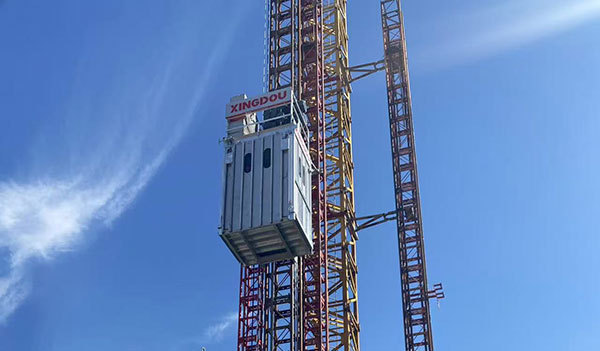
Understanding Industrial Hoists
Industrial hoists, defined as devices for lifting or lowering loads, are particularly critical in environments where space is limited or where vertical movement is essential. They vary in design and capacity, catering to the unique demands of different industries, including mining.
Types of Industrial Hoists Used in Mining
- Electric Hoists: Known for their efficiency and ease of operation, electric hoists are commonly used in mining for their ability to lift substantial weights.
- Pneumatic Hoists: These are ideal for environments where spark generation must be controlled, providing a safe lifting solution.
- Manual Hoists: Although less common, they are usefully applied in scenarios where power sources are unavailable.
Applications of Industrial Hoists in Mining
In the mining sector, the applications of industrial hoists are vast and varied. They are primarily employed in the following areas:
Material Handling
Mining operations often require the transport of heavy materials such as ore, coal, and aggregates. Industrial hoists provide a reliable solution for lifting and moving these materials from the surface to lower levels and vice versa.
Equipment Movement
Large equipment and machinery used in mining need to be hoisted for maintenance or repositioning. Industrial hoists simplify this process, allowing for quick and safe adjustments within the workspace.
Personnel Transport
In certain mining operations, effective personnel transport is crucial, particularly in deep or expansive mines. Industrial hoists ensure that workers can be efficiently moved between different levels, improving overall productivity.
Efficiency Improvements
The incorporation of industrial hoists in mining operations leads to significant efficiency improvements. By automating the lifting process, organizations can reduce the time spent on manual labor, allowing for quicker completion of tasks. This increased efficiency also translates to lower operational costs.
The following factors contribute to the enhanced efficiency:
- High Speed: Modern industrial hoists are designed for rapid lifting, significantly reducing downtime.
- Robust Design: These hoists are built to handle the rigorous demands of mining environments, ensuring continuous performance.
- Automated Controls: Many hoists now feature advanced controls that enable precise lifting and lowering actions, minimizing the risk of accidents.
Safety Advantages
In mining operations, safety is of paramount importance. Industrial hoists are designed with safety features that reduce the risk of accidents. Such features include:
- Overload Protection: Prevents hoists from lifting beyond their rated capacity, which could lead to failures.
- Emergency Stop Buttons: Allow for immediate halting of operations in case of unforeseen circumstances.
- Safety Harness Attachments: Essential for personnel transport, ensuring that workers are secured during lifts.
Cost Effectiveness
While the initial investment in industrial hoists can be significant, their long-term cost-effectiveness becomes evident through reduced labor costs, fewer accidents, and increased productivity. By enabling faster and safer operations, hoists contribute to a strong return on investment over time.
Key Cost Factors
Several factors influence the overall cost-effectiveness of industrial hoists:
- Maintenance Costs: Regular maintenance is crucial for optimal performance, but advanced hoist systems require less frequent servicing.
- Energy Consumption: Electric and pneumatic hoists are designed to be energy efficient, contributing to lower operational costs.
- Downtime: Minimizing downtime through efficient operation translates into financial savings.
Future Trends in Industrial Hoists for Mining
Looking ahead, the future of industrial hoists in mining appears bright. Innovations are emerging, focusing on enhancing efficiency and sustainability. Trends include:
- Smart Hoists: Integration with IoT technology for remote monitoring and control.
- Eco-Friendly Designs: Transition towards more sustainable materials and energy-efficient systems.
- Enhanced Automation: Increased automation in hoisting processes, reducing reliance on human intervention.
Conclusion
Industrial hoists are transforming mining operations, offering various benefits that enhance efficiency, safety, and cost-effectiveness. For companies in the mining industry, investing in high-quality industrial hoists can lead to significant operational advantages.
Why Choose Xingdou for Your Industrial Hoist Needs?
Xingdou not only provides a range of certified industrial hoists but also brings 18 years of exporting experience. Our products, trusted across over 60 countries, meet the highest international standards and are designed to enhance your mining operations. Contact us today to learn more about our offerings.


Online Consultation