


MOST POPULAR ARTICLES
- Sep 05, 2025Top 10 Mast Climbing Work Platform Maintenance HacksActionable, decision-focused maintenance guide delivering top 10 hacks for Mast Climbing Work Platform reliability, compliance and cost control, with technical guidance, standards references and a real-world case that highlights the benefits of proactive care.
- Sep 04, 2025How to install a suspended platform: 7-step safety checklistA practical, industry-focused guide that explains how to install a suspended platform with a 7-step safety checklist, standards references, procurement considerations, integration of accessories like
- Sep 03, 2025Construction hoist cost breakdown: save 20% on projects?A marketing and technical guide for project decision makers and procurement teams detailing the Construction hoist cost breakdown, savings tactics, standards, and product fit including Suspended Platforms.
Choosing the right Construction hoist accessories is critical to safety, productivity and long-term cost control on any vertical transportation project. This guide helps technical evaluators, operators and procurement teams identify, compare and specify the right accessories to match equipment such as the ZLP 630 and other building hoists.
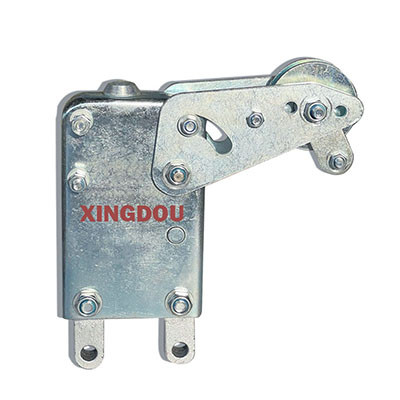
What are construction hoist accessories and why they matter
Construction hoist accessories are the complementary components and safety items that ensure a hoist or mast-climbing platform operates reliably and in compliance with standards. Common accessories include suspension clamps, safety locks, counterweights, electrical accessories, guide rails, anchorage systems and specialized platforms. Proper selection reduces downtime, prevents accidents and optimizes total cost of ownership for projects ranging from facade works to bridge inspection.
Core accessory categories
1. Suspension and anchorage systems
Suspension mechanisms and parapet clamps secure the hoist to the structure. For example, the ZLP 630 offers adjustable suspension mechanisms and parapet clamp systems with tuning ranges suited to varied building edges. Selection points include load rating, adjustability (A:1.3–1.7m, R:0.6–1.2m for some models), corrosion resistance and ease of installation.
2. Safety devices
Key safety accessories include mechanical safety locks (e.g., LDF30), over-speed governors, limit switches and emergency stop systems. Accessories must meet recognized test standards (EN, ASTM or JIS where applicable) and be compatible with your hoist’s rated load and wire rope diameter. Regular testing intervals and traceable documentation are essential for compliance and insurance purposes.
3. Electrical and control components
Electrical accessories—control panels, cables, connectors and motor protection—affect performance and reliability. Verify power compatibility (220V/380V/440V; 50–60Hz; single or three-phase) and motor ratings (the ZLP 630 uses 2x1.5kW motors and LTD6.3 hoists). Choose components with IP ratings suitable for your site environment and ensure spare parts availability.
4. Platform and structural accessories
Platform extensions, guardrails, toe boards and anti-slip surfaces improve usability. Materials matter: options such as Steel Power Painting, Hot Galvanized and Aluminum Alloy deliver different trade-offs between weight, corrosion resistance and lifecycle cost. For heavy-duty applications consider matching counterweight schemes — e.g., the ZLP series includes 1000kg counterweights for specific models.
Selection criteria: technical and commercial considerations
- Compatibility: Confirm accessories support the hoist’s rated capacity and wire rope diameter (e.g., 8.3mm ropes for some units).
- Standards and certification: Prefer accessories with CE/TUV/ISO traceability or tested per EN/ASTM/JIS standards.
- Durability and corrosion protection: Choose coatings or galvanization for coastal or chemical environments.
- Ease of installation: Modular clamps and quick-connect electricals reduce labor time and site risk.
- Supply chain and spare parts: Assess lead times and vendor after-sales support to minimize project delays.
Technical performance and compatibility checklist
Before purchase, verify the accessory against a checklist addressing mechanical fit, load rating, electrical compatibility, environmental resistance and maintenance needs. The checklist should map accessories to specific hoist models (for instance, ZLP500, ZLP630, ZLP800, ZLP1000) so procurement and site teams can validate fit and function.
Standards, testing and quality assurance
Insist on accessories that comply with international standards (EN, ASTM, JIS) and vendor quality systems such as ISO9001. For high-risk projects, require Third Party Certification (e.g., TUV, CE marking) and material traceability. Documented load tests, inspection records and supplier quality plans reduce project risk and strengthen claims in the event of incidents.
Cost drivers and lifecycle considerations
Initial cost is only one factor. Consider total lifecycle costs including installation labor, maintenance frequency, expected corrosion-related replacement, and downtime impact. Corrosion-resistant finishes and higher-grade materials may increase upfront cost but lower lifecycle expense—often a decisive factor for long-term installations like power plants, bridges or coastal sites.
Installation, maintenance and common pitfalls
Proper installation and routine checks are non-negotiable. Common mistakes include mismatched wire rope diameters, underspecified anchorage systems, and inadequate electrical protection. A preventive maintenance plan should cover daily inspections, monthly operational tests and annual load testing. Keep a spare parts kit (brakes, fuses, limit switches, and safety locks) on-site to reduce downtime.
Typical use cases and industry alignment
Construction hoist accessories are essential across exterior construction, high-rise decoration and maintenance, shipbuilding welding, power plant works, and bridge repair. Industries that require heavy lifting and reliable vertical access—such as mining, chemical plants and large-scale civil works—benefit from accessories that match application-specific risks like aggressive corrosion or repetitive heavy cycles.
Case highlight: Matching accessories to platforms
For projects needing versatile platform operation, consider systems like the ZLP 630 series. With platform dimensions (6 x 0.69 x 1.12m), 630kg rated load, 9.3m/min lifting speed and optional finishes (Steel Power Painting, Hot Galvanized, Aluminum Alloy), accessory selection focuses on compatible suspension clamps, LDF30 safety locks and the correct counterweight configuration to maintain stability and compliance.
How to procure: a practical step-by-step
- Define operational requirements: load, lift height, environment, duty cycle.
- Map accessories to hoist model and application (e.g., ZLP500–ZLP1000 family).
- Request technical data sheets and third-party certificates.
- Evaluate suppliers for stock, lead time and after-sales support.
- Specify installation and maintenance services in the procurement contract.
Common questions answered
Q: Can accessories be retrofitted to older hoists? A: Often yes, but require engineering validation for load paths and compatibility. Q: How frequently should safety locks be tested? A: Follow manufacturer and national standards—typically monthly functional checks and annual load tests.
Why choose our solutions and next steps
With 18 years exporting experience and certifications including ISO9001, CE and TUV, our building hoists and accessories are field-proven across 60+ countries. We supply integrated solutions—from ZLP 630 platforms to tailored suspension systems—and offer customization, diversified anti-corrosion technologies and reliable electrical control options. Contact our sales engineers for a project-specific accessory list, technical drawings and lead-time estimates to ensure safe, compliant and cost-effective hoist operation.
For consultations, BOM reviews or site audits, reach out to our technical team and request accessory compatibility checks referencing your hoist model and project conditions.


Online Consultation