


MOST POPULAR ARTICLES
- Sep 05, 2025Top 10 Mast Climbing Work Platform Maintenance HacksActionable, decision-focused maintenance guide delivering top 10 hacks for Mast Climbing Work Platform reliability, compliance and cost control, with technical guidance, standards references and a real-world case that highlights the benefits of proactive care.
- Sep 04, 2025How to install a suspended platform: 7-step safety checklistA practical, industry-focused guide that explains how to install a suspended platform with a 7-step safety checklist, standards references, procurement considerations, integration of accessories like
- Sep 03, 2025Construction hoist cost breakdown: save 20% on projects?A marketing and technical guide for project decision makers and procurement teams detailing the Construction hoist cost breakdown, savings tactics, standards, and product fit including Suspended Platforms.
Understanding Safety Standards for Industrial Lifts
Industrial lifts play a crucial role in various sectors such as construction, mining, and chemical industries. However, compliance with safety standards is essential to ensure not only the safety of the workers but also the integrity of the operations. Safety standards are often enforced by national and international regulations, and they dictate how these lifts should be designed, operated, and maintained. Understanding these standards can help organizations reduce risks and adhere to legal requirements.
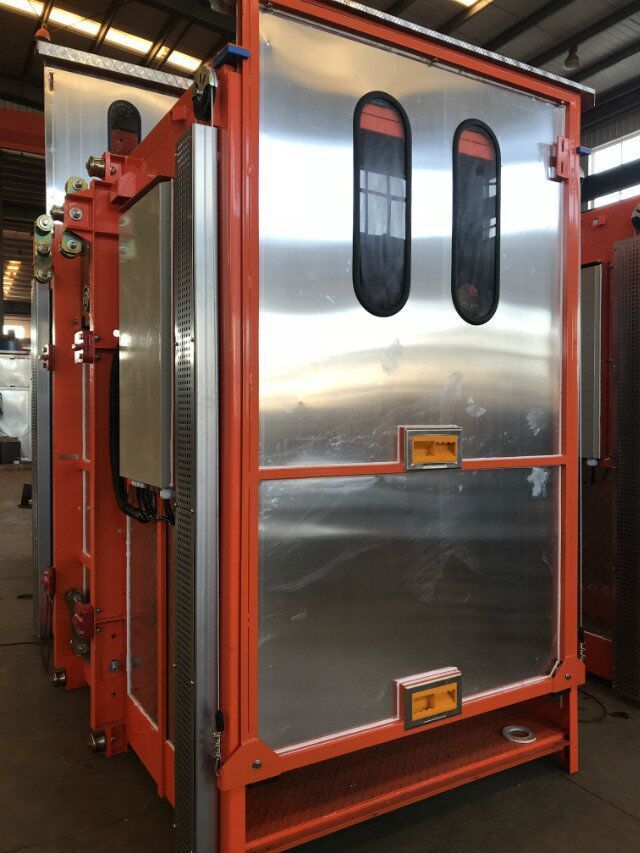
The Importance of Compliance
Complying with safety standards is vital for numerous reasons. First and foremost, it safeguards the health and safety of your employees. Secondly, it minimizes liability for your company in the event of an accident. Adherence to safety norms also enhances your company’s reputation, showcasing a commitment to safety and quality. Inspections and certifications also serve as indicators of product reliability, increasing customer trust in your operational capabilities.
Key Safety Standards to Acknowledge
Some notable safety standards for industrial lifts include:
- OSHA Regulations: The Occupational Safety and Health Administration sets forth guidelines that are essential for maintaining safety in the workplace.
- ANSI/ASME Standards: The American National Standards Institute and the American Society of Mechanical Engineers release standards that cover the safety aspects of industrial lifting equipment.
- ISO Certifications: The International Organization for Standardization provides global benchmarks for quality and safety management systems.
Application Scenarios for Compliance
Compliant industrial lifts are utilized effectively in several scenarios:
- Construction Sites: High-rise buildings and infrastructure projects rely on compliant lifts to transport materials and personnel efficiently.
- Mining Operations: Safety standards ensure that lifts used in extracting materials are safe for operators and reliable under harsh conditions.
- Chemical Industry: Lifts used in chemical plants need to meet strict regulations to prevent hazardous material exposure.
Cost-Benefit of Compliance
While investing in compliance may seem burdensome, it often equates to long-term savings. By preventing accidents and operational halts, organizations can save substantial amounts of money. Additionally, compliance may also result in reduced insurance premiums, because safer operations result in lower risk assessments.
Navigating Compliance Challenges
Organizations frequently face challenges when trying to comply with industrial lift safety standards. Some common obstacles include:
- Staying updated with changing regulations.
- Lack of available training for operators.
- Understanding the complexity of multi-jurisdictional requirements.
Recommendations for Buyers
When purchasing industrial lifts, it's crucial to evaluate the following:
- Certification: Ensure the lifts are certified by recognized bodies to confirm compliance.
- Vendor Experience: Assess the vendor's experience and reputation in the industry.
- Post-Purchase Support: Opt for manufacturers that offer training and maintenance support.
Conclusion
Ensure your industrial lifts comply with safety standards not just to meet legal obligations, but also to cultivate a culture of safety and efficiency in your organization. Proper compliance can lead to enhanced operational performance, reduced risks, and higher employee morale.
Why Choose Us
As an ISO9001, CE, TUV, and COC certified supplier, Xingdou is dedicated to providing high-quality industrial lifts that meet rigorous safety standards. With over 18 years of expertise and distribution in more than 60 countries, we are committed to supporting your safety and operational needs. For more information or to receive a quote, contact us today.


Online Consultation